How to Choose a Functional Medicine Provider in Shreveport, LA

September 21, 2026

Functional Medicine in Shreveport, LA: What to Look for in a Provider (and What Sets Integrative Partners Apart)

Louisiana consistently ranks among the states with the highest rates of chronic disease, and northwest Louisiana is no exception. If you have been dealing with persistent fatigue, metabolic issues, or an autoimmune condition that conventional care has not fully addressed, the way a functional medicine provider structures your care — the testing depth, the appointment length, the access between visits — determines whether you get answers or just more prescriptions.

Functional medicine in Shreveport is a limited field, which makes choosing wisely even more important. This guide gives you a practical framework to evaluate any provider before you book.

What Actually Separates a Root-Cause Practice from a Conventional Clinic?

A genuine functional medicine practice investigates why a symptom exists, not just what drug can suppress it — which requires more time, more data, and a different type of appointment structure than most conventional clinics offer.

In a high-volume primary care setting, a typical visit runs seven to twelve minutes. That is enough time to address one complaint, renew a prescription, and order a basic metabolic panel. It is not enough time to map how your sleep, hormone levels, gut function, and cardiovascular risk interact — which is exactly what chronic and autoimmune conditions require.

A root-cause model starts with a thorough intake and uses advanced diagnostics to build a picture of how your body systems are functioning relative to each other. The difference is not philosophical; it shows up in the specific tests ordered, the length of your first appointment, and whether your provider has time to explain what the results actually mean.

What Advanced Testing Should a Real Functional Medicine Provider Offer?

The quality of your care is tied directly to the quality of the data your provider collects. Standard labs can tell you if something is critically wrong; advanced panels tell you what is trending in the wrong direction before it becomes a crisis.

Four testing tools represent a meaningful benchmark. DUTCH comprehensive hormone testing maps your full hormone and cortisol metabolite output over a 24-hour cycle — information a single blood draw simply cannot capture. This matters especially for fatigue, mood, and reproductive hormone concerns that standard panels consistently miss.

Gut health is the second major gap. A GI-MAP gut health analysis uses DNA-based stool testing to identify pathogens, inflammation markers, and microbial imbalances that are directly connected to immune function and systemic inflammation. Many autoimmune flares and metabolic issues trace back to gut dysfunction that a standard GI workup would not detect.

DNA-informed care through Intellxx DNA identifies how your unique genetic variants affect nutrient metabolism, hormone processing, and cardiovascular risk — so your protocol is built around how your biology actually works, not a population average. Cleery cardiovascular risk screening goes beyond standard cholesterol numbers to assess arterial inflammation and particle-level risk factors that predict cardiovascular events years before they occur.

If a provider cannot offer or explain these tools, their diagnostic ceiling is lower than what complex chronic conditions typically require.

Why Does Concierge Access Matter for Chronic-Condition Patients in Shreveport?

Managing a chronic condition between appointments — not just during them — is where most care models break down. Longitudinal care means your provider tracks how you respond to a protocol over months, adjusts based on new labs, and is reachable when something shifts unexpectedly.

A SureAccess MD direct care model gives you real access to your provider between scheduled visits rather than routing you through a nurse line or portal with a 48-hour response window. For patients managing hormone imbalances, autoimmune conditions, or fatigue that fluctuates seasonally, that direct line is the difference between staying on track and losing months of progress.

You can review the membership fee structure to understand what this level of access costs — transparent pricing is itself a signal that a practice is operating differently than a standard insurance-billed clinic.

Is Fall a Particularly Good Time to Start in Shreveport?

Yes — shorter days and cooler temperatures in northwest Louisiana correspond with measurable shifts in cortisol rhythm, melatonin output, and thyroid activity, which means fatigue that felt manageable in summer can compound significantly by December.

Starting a functional medicine workup in fall means your baseline testing captures your hormone and energy patterns during a period when they are already under seasonal pressure — giving your provider a more complete picture than a spring panel would. It also means your protocol is active before winter deepens the fatigue cycle rather than after.

From a practical standpoint, fall is also when HSA and FSA balances are often available and employer open enrollment creates a natural moment to reassess healthcare spending. Acting before year-end lets you apply those funds to the advanced diagnostics that are most likely to generate answers.

Evaluating Any Provider: A Practical Checklist

When you research a functional medicine practice in Shreveport, apply these criteria directly. A quality provider should offer advanced lab panels beyond basic bloodwork; appointments long enough to review your full history; a documented approach for chronic and autoimmune conditions; direct provider access between visits; and transparent information about cost and membership structure.

You should also be able to see who your providers actually are — their credentials, training, and clinical focus — before you commit. A practice that makes this information hard to find is telling you something about how they operate.

Setting Realistic Expectations for the Functional Medicine Timeline

Root-cause care is not a fast fix, and a provider who suggests otherwise is not being honest with you. A realistic timeline runs in three phases: the first four weeks focus on comprehensive testing and establishing your baseline. Months one through three involve implementing your personalized protocol — adjustments to nutrition, supplementation, and lifestyle based on what your labs revealed. Months three through twelve and beyond are about optimization, monitoring how your markers change, and refining the approach as your body responds.

Some patients notice meaningful energy and symptom changes within the first protocol phase; others see the most significant shifts at the six-month mark when cumulative changes compound. The defining feature of this model is that each phase informs the next — which is why the quality of your initial testing directly shapes how effective your protocol can be.

When you bring together advanced diagnostics, unhurried appointments, and consistent provider access, the result is care that can actually track and respond to how your biology changes over time — which is what chronic conditions require.

Schedule a consultation with Integrative Partners to explore whether this model fits where you are in your health journey.

October 21, 2025
People ask me all these questions all the time. “Did you always want to be a doctor?” My quick answer is “nope!,” but the truth is that God had much bigger plans for me, as he does for us all. Being raised in an entrepreneurial family (3rd generation Oil & Gas), I was surrounded by many businessmen and businesswomen (and a few lawyers too). Until the age of 12, my only exposure to medical professionals was unpleasant office visits with my pediatrician and his nurses who pricked my finger or gave me shots. Soon after becoming a preteen, it was recommended that I have my cholesterol checked. Both of my grandfathers had died from cardiovascular disease, and my parents were both found to have high cholesterol at a young age. My results were shocking! My total cholesterol was >300 with LDL >200. As a highly competitive ballerina and with minimal %body fat, my genetics were at play. Ultimately, my pediatrician did not know what to do, so he sent me to Texas Children’s, where I was diagnosed with familial hyperlipidemia. Subsequently, I became managed by Dr. Jones, my family doctor, who practiced with a functional mindset. He emphasized nutrition and lifestyle management, encouraging me to eat oatmeal (fiber!) every AM and to add yoga to my cardiovascular exercise routine. I took his recommendations to “heart” (no pun intended). This early diagnosis was the beginning of my understanding of wellness and my entry into medicine. With plans to own a dance studio, I set off to Tuscaloosa to major in Dance and Business Administration. I was fortunate to have graduated from Caddo Magnet High, where I clepted-out of several AP science classes. I was not initially interested in taking any collegiate level sciences, but I had to take at least one in order to graduate. So, I tossed a coin – Organic Chemistry vs. Biochemistry vs. Microbiology??? Well, Organic Chemistry it was. And, who knew?! I LOVED It. My professor also saw my potential and hired me to become his research assistant, and then he convinced me to take the MCAT (entrance exam to medical school). Meanwhile, my father’s cardiac condition was declining. He had his first MI (myocardial infarction) or heart attack in his late 40s, and he continued to have “events” annually after that. After receiving several cardiac stents, he underwent open heart surgery (or cardiac bypass) which he overcame like a champ. During this time, an article in News Week was written about my family – it was entitled “Meet the O’Brien’s.” This article discussed the importance of family history in the prevention of heart disease. With the MCAT under my belt, the signs were clear – next up medical school. Throughout medical school, I often verbalized that I wanted to be a Cardiologist because of my personal and family history. I started down the path of Internal Medicine but soon realized that Family Medicine was a better fit. So, I returned home to marry my husband (a Bossier boy!) and completed my residency. Then, I took my first real job at The Family Doctors in Shreveport, working alongside my role model, Dr. Jones. Now, many decades later, I reflect on God’s hand at play. As a Family Doctor and newly certified IFM (Institute of Functional Medicine) provider, I can’t imagine my life without medicine. I love caring for my patients in their totality, and I love looking upstream to truly prevent worse things to come. With my interest in Cardiology, I recently became the first provider in North Louisiana to offer Cleerly, a diagnostic imaging tool that uses AI-technology to evaluate plaque burden and cardiac risk – “a virtual heart cath” in a sense. My first patient was my brother. His scan uncovered a high-risk plaque at the age of 39. He is now managing closely with his Cardiologist and doing GREAT, living a healthy lifestyle. In fact, he reported this week that he ran a 6-minute mile. I feel blessed to have played an important role in his healthcare and perhaps helped to save his life (indirectly). Now, I see it so “clearly.” My profession in medicine is more than just serendipity. I am so very thankful for God’ direction and for all my patients who allow me to care for them and, in return, fill my soul.
December 13, 2024
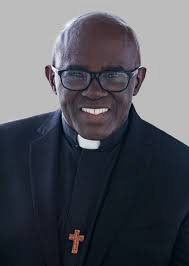
My first experience with Functional Medicine was more than a decade ago; however, at the time I didn’t realize it. I was told in my early 30s that I had unexplained infertility. Just like many of my patients, I moved from one OB/GYN to another searching for answers. I could not understand how my mother, grandmother and aunts did not have problems conceiving, yet I was in this predicament. My genetics did not seem to be my disadvantage. So, how? why? Well…I had several environmental factors working against me that my ancestors did not. As an adolescent athlete, I was started on birth control or “cycle control.” Having a period was simply a hinderance. At the same time, being raised in the 90s, I was a product of the fast-food generation. Although my parents tried to limit my exposure, I ate way more sugar and processed foods than prior generations. Lastly, I was a young professional, striving to be a successful doctor and not yet understanding the importance of life balance; stress was abundant. Unfortunately, I hadn’t thought much about starting a family until suddenly it was becoming “too late,” and damage from external factors were setting in. In 2012, I met with a fertility specialist. He encouraged me to start down the path of artificial insemination. Matt, my husband, was “just fine” - let’s be honest, his parts are a little less complicated than mine. I felt pressure to “perform” just like other aspects of my life. The stress of fertility treatments was taxing and lovemaking quickly became less fun, less intimate. After nearly 3 exhausting years without a single pregnancy, I decided to take a break or “pause.” Thankfully, during this time, I met Fr. Ubald Rugirangoga. Fr. Ubald, a Catholic priest known for his “healing power,” was visiting Shreveport to pray for an extended family member and, not by coincidence, our paths crossed. He knew immediately after a brief visit that I was broken. With my fertility struggles, I had lost hope and, in return, lost faith. He prayed for me and with me, and he taught me to believe and to hope once again. Then, six weeks later, I naturally conceived. I told everyone that it was Fr. Ubald’s “hotline to GOD” that helped me to get pregnant. But, we all know that it’s much bigger and more complicated than that. Less than a year later, in July of 2015, we met Stella Rae, our perfect daughter. We did not know the gender of our first born until we met her. Matt and I had agreed; if we were to have son, we would call him “Ubbie” after Fr. Ubald. Then, in 2020, during COVID, I found myself in the same situation. As we all know, patterns are not easily broken. Again, stressed and living an unhealthy life, I was unable to conceive. I had plans to meet Fr. Ubald and was looking forward to our reunion when he caught COVID and died. His death was heart-breaking. I can still hear his voice and feel his healing touch. I was determined to keep him “alive” for myself and for others. I began telling others about him and encouraged others to read his newly written book, Forgiveness makes you Free. For some time, I had forgotten about me. Instead of worrying about my inadequacies, I spent hours praying the prayers that he taught me. And, once again, a few months later, I NATURALLY conceived! I knew in my heart that Fr. Ubald was smiling down at me. I n October 2021, Matt and I had our son - “Little Ubald.” Our close friends and family call “Ubbie,” and others know him as Rhett, a true blessing. Ultimately, Fr. Ubald gave me life in many ways. He not only re-aligned my energy from my soul to my uterus but he taught me the importance of prayer, forgiveness and acceptance – key factors in one’s spiritual healing and an essential component of the Functional Medicine matrix. Ellie O. Hudnall, MD The Center for the Secret of Peace Ministries
September 12, 2024
The institute of Functional Medicine describes Functional Medicine “as a catalyst in the transformation of healthcare.” Functional Medicine treats the root cause of diseases and restores healthy function through personalized patient experience. By achieving better outcomes, Functional Medicine breeds less chronic disease and, therefore, lessens overall healthcare costs for individuals and for society. Some people refer to Functional Medicine as “Lifestyle Medicine” as it often starts with a matrix approach and focuses on the mind, body and soul. To understand one’s matrix, we must address the essentials of nutrition, activity/movement, stress levels (physical vs. emotional, current and past, including any history of trauma), sleep, and relationships (including the most important relationship with one’s Higher Power). Functional Medicine is a wholesome way of caring for patients.
September 12, 2024
About 3-4 years ago, all our lives changed. Covid brought about many questions for us all – not just for Americans but for the world as a whole and for “we” as humans. As I struggled to find answers, I ultimately conformed in some ways; but, in my heart, I knew that there was more to uncover. I felt restless personally and unsure of my “role” as a physician. Was I in the right profession? Was I truly helping people? Or was I just “patching” things and delaying or worsening illness? I found myself frustrated with prescribing Adderall and SSRIs (medications for anxiety and depression) when I knew that better nutrition, improved sleep and less stress was the answer. Despite my uncertainty, I just kept going and “doing” medicine as I learned it – I mean, I had to repay my debt of time and money, right?!....  Until one day, GOD got my attention. I suddenly lost my hearing while pregnant at 36 weeks. I saw many doctors including my primary care (a dear friend), high risk OB, and Neuro-ENT, and, in return, I received a diagnosis of cochlear hydrops (or sudden deafness) – an IDIOPATHIC diagnosis. In medical school, I learned about “idiopathic” diagnoses; my professors described this term as “idiotic,” meaning “we” as doctors don’t understand it. I was not OK with this diagnosis. How can it be? I just woke up deaf one day. What if it happens again? How do I prevent it? I had so many questions. And, now, for the first time in my life, I was a patient – a patient who had to navigate the medical system for true answers. Through silence and with stillness in my life, I renewed my trust in GOD and found Functional Medicine. I started listening to podcasts and following Mark Hyman on Instagram. And, eventually, I ordered specialized testing on myself - NutrEval, DUTCH and genomics were most helpful in my case. With these results, I started discovering the truth – it was not ONE thing that caused me to lose my hearing but instead it was a series of things, across many bodily systems, after exposures to chronic toxicities (and stress!) that caused my body to breakdown. This realization gave me hope. And, then, my journey of healing began. Today, I continue along a path of hope and healing. I have taken an honest look at my life - my habits, patterns, vices and relationships. And, with each step, I am becoming healthier in mind, body, and spirit. Although “broken,” my new ears have given me an opportunity to hear GOD differently and to approach the art and practice of medicine in a new way. In the end, something that seemed so tragic was perhaps one of the biggest blessings in my life. I look forward to spending the next few decades of life treating patients with a FUNCTIONAL perspective.